What Happens to Your Data When You Retire Old IT Equipment?
What Happens to Your Data When You Retire Old IT Equipment?
Replacing computers, servers, storage devices, and networking equipment is a normal part of doing business. But while organizations often focus on deploying the new technology, the equipment being removed can create an entirely different set of risks.
The hardware may be obsolete.
The data stored on it may not be.
Old laptops, servers, hard drives, solid-state drives, mobile devices, and other IT assets can contain customer information, employee records, financial data, intellectual property, login credentials, healthcare information, and other sensitive business data.
Simply removing a device from your network or deleting files does not necessarily mean that information is permanently gone.
That is why secure IT Asset Disposition (ITAD) should be part of every organization's cybersecurity and compliance strategy.
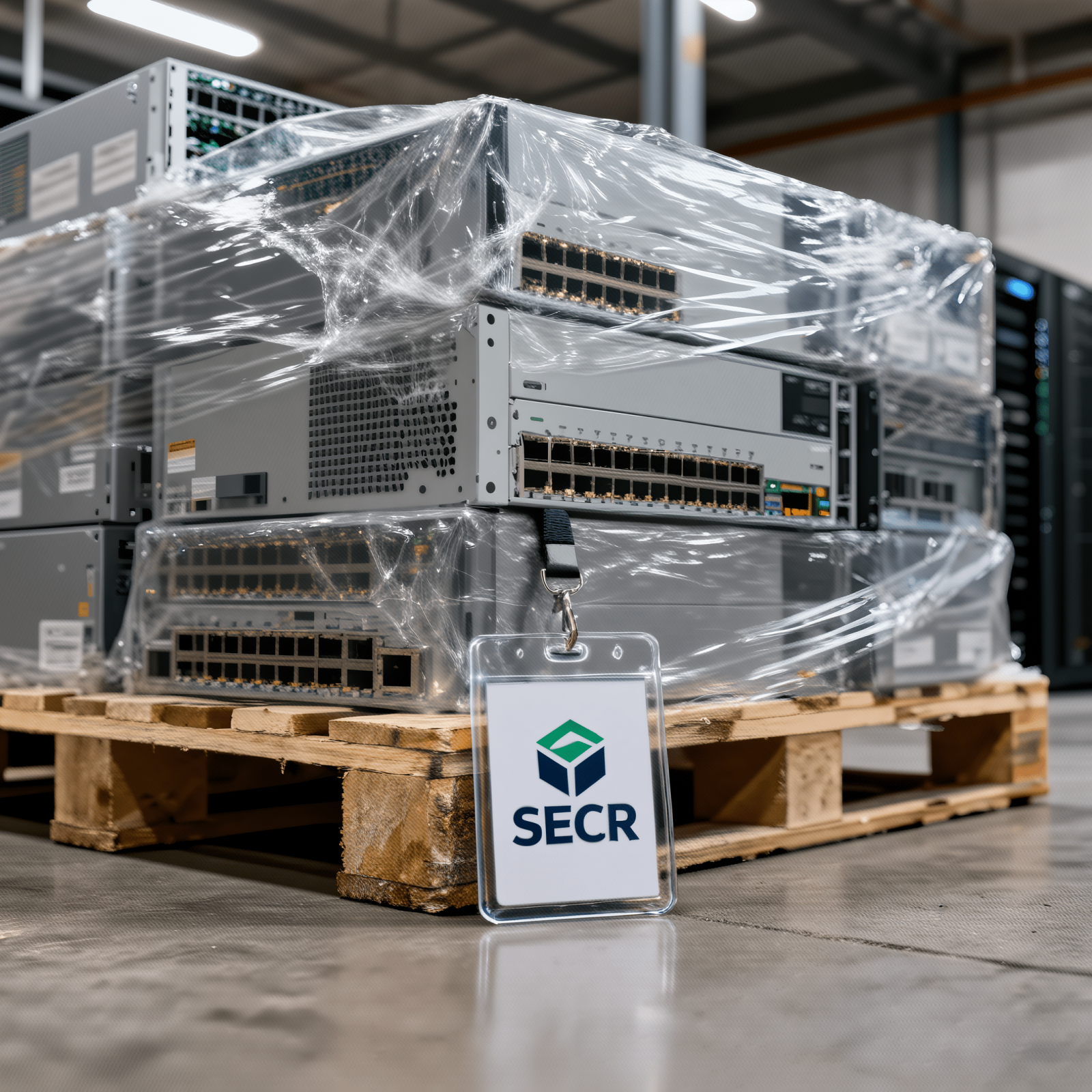
Decommissioned IT Equipment Can Still Contain Sensitive Data
When an employee receives a new laptop or a company replaces an aging server, the old device may eventually end up in storage.
Over time, businesses can accumulate rooms full of retired technology:
-
Desktop computers
-
Laptops
-
Servers
-
Hard drives
-
Solid-state drives
-
Network switches
-
Routers
-
Mobile devices
-
Tablets
-
Storage arrays
-
Printers and multifunction devices
The problem is that many of these devices may still contain recoverable information.
Dragging files into the recycle bin, formatting a drive, or performing a basic factory reset should not automatically be treated as secure data destruction.
Organizations need a documented process for determining how data-bearing equipment will be sanitized or physically destroyed before that equipment is reused, resold, recycled, or otherwise disposed of.
What Is Secure Data Destruction?
Secure data destruction is the process of making information stored on electronic media inaccessible and unrecoverable using an appropriate sanitization method.
The National Institute of Standards and Technology addresses this issue through NIST Special Publication 800-88 Revision 2, Guidelines for Media Sanitization. The guidance helps organizations establish processes for securely sanitizing media based on factors such as the sensitivity of the information and the type of storage technology involved.
Depending on the equipment and security requirements, disposition may involve methods such as:
Logical Data Sanitization
Specialized software can be used to securely sanitize supported storage devices while maintaining records of the process.
This is particularly valuable when equipment still has resale or reuse value.
Instead of destroying a functioning device, the organization may be able to securely remove its data and return the hardware to the secondary market.
Physical Destruction
Some storage devices should not be reused.
Hard drives, SSDs, storage media, or damaged equipment containing highly sensitive information may require physical destruction.
This can include processes designed to permanently destroy the data-bearing components so that the information cannot reasonably be reconstructed.
Why Documentation Matters
Destroying the data is only one part of a professional ITAD program.
Businesses also need to be able to demonstrate what happened to their equipment.
A well-managed IT asset disposition process should create an auditable trail showing how assets moved from the client's facility through sanitization, resale, recycling, or final disposition.
This is commonly referred to as the chain of custody.
Depending on the project, documentation may include:
-
Asset serial numbers
-
Equipment descriptions
-
Pickup records
-
Transportation records
-
Sanitization results
-
Destruction records
-
Certificates of Destruction
-
Recycling records
-
Final disposition reporting
This documentation becomes particularly important for organizations operating in industries with strict security, privacy, governance, or compliance requirements.
ITAD Is More Than Electronics Recycling
Traditional electronics recycling primarily focuses on responsibly processing unwanted electronic equipment.
IT Asset Disposition goes further.
A comprehensive ITAD program considers the complete lifecycle of retired technology, including:
Data Security
Sensitive information must be properly protected throughout the disposition process.
Chain of Custody
Organizations should know where their equipment is and who has control of it from pickup through final disposition.
Asset Recovery
Retired equipment may still have significant financial value.
Servers, networking hardware, laptops, storage equipment, and other enterprise technology may be candidates for testing, refurbishment, resale, or remarketing.
Environmental Responsibility
Equipment that cannot be reused should be processed through responsible electronics recycling channels rather than unnecessarily entering the waste stream.
Reporting and Compliance
The organization should receive documentation that helps demonstrate that its disposition policies were followed.
Your Retired IT Equipment May Still Be Worth Money
One of the biggest misconceptions about IT disposition is that old equipment automatically becomes worthless.
In many cases, it doesn't.
Organizations regularly retire equipment because it no longer fits their operational requirements—not because the hardware has reached the end of its usable life.
Servers, enterprise storage, network equipment, laptops, desktops, and other devices may still have resale value.
A professional ITAD provider can evaluate equipment and determine whether assets should be:
-
Remarketed
-
Refurbished
-
Reused
-
Purchased through a buyback program
-
Recycled
Recovering value from retired equipment can offset technology refresh costs while extending the useful life of functioning electronics.
Why R2v3 Certification Matters
Businesses should also evaluate the certifications and processes used by their electronics recycling and ITAD provider.
The R2v3 Standard establishes requirements designed around responsible electronics reuse and recycling, including provisions addressing data sanitization and specialized processing activities.
Working with a certified provider adds an additional level of accountability to the disposition process.
SECR provides R2v3-certified electronics recycling and combines data security, asset recovery, logistics, recycling, and documentation into an integrated ITAD program.
Don't Let Old Technology Become a New Security Risk
Many organizations invest heavily in cybersecurity while equipment is connected to their network.
Firewalls protect the perimeter.
Encryption protects stored information.
Access controls protect accounts.
Endpoint security protects workstations.
But those protections mean little if a retired hard drive containing sensitive company information eventually leaves the organization without being properly sanitized.
The security lifecycle of a device should not end when someone unplugs it.
It should end when the organization has documented confirmation that the data has been properly sanitized or destroyed.
Build IT Asset Disposition Into Your Technology Refresh Plan
ITAD works best when it is planned before equipment begins piling up in storage rooms.
Organizations preparing for a technology refresh, office relocation, data center migration, cloud transition, merger, acquisition, or facility closure should establish a disposition strategy early in the project.
That strategy should answer several questions:
What equipment is being retired?
Create an accurate inventory of the devices leaving service.
Which devices contain data?
Identify hard drives, SSDs, storage arrays, mobile devices, and other data-bearing equipment.
How sensitive is the information?
The sanitization method should reflect the sensitivity of the information stored on the device.
Can the equipment be reused or resold?
Secure sanitization can allow organizations to recover value from functioning assets.
What should be recycled?
Assets without viable reuse value should enter a responsible electronics recycling stream.
What documentation will be required?
Determine your reporting, compliance, and chain-of-custody requirements before the project begins.
Secure IT Asset Disposition With SECR
SouthEast Computer Recyclers (SECR) helps enterprise and mid-market organizations securely retire technology through comprehensive IT asset disposition services.
SECR's services include:
-
IT Asset Disposition (ITAD)
-
Secure Data Destruction
-
Certified Electronics Recycling
-
Secure ITAD Logistics
-
Data Center Decommissioning
-
IT Equipment Buyback and Asset Recovery
SECR combines secure data handling, documented chain of custody, asset value recovery, and responsible electronics recycling to help organizations manage retired technology from pickup through final disposition.
Whether your organization is replacing a few hundred computers, consolidating offices, refreshing enterprise infrastructure, or decommissioning an entire data center, having a documented ITAD strategy can reduce risk while helping recover value from equipment you no longer need.
Ready to Retire Your IT Equipment?
Don't allow yesterday's technology to become tomorrow's data-security problem.
Contact SouthEast Computer Recyclers to discuss a secure IT asset disposition, data destruction, electronics recycling, or equipment buyback project.
Call or text: (404) 500-6500
Request a Free Quote: SECR can evaluate your retired IT assets and recommend the appropriate disposition strategy.

© 2026 - ITAD & Electronics Recycling Services. All Rights Reserved.
Site Credits: MediaLinkers